Cart 0
What Does Blue Light Do for Skin?
The Damage Screen Time Can Cause
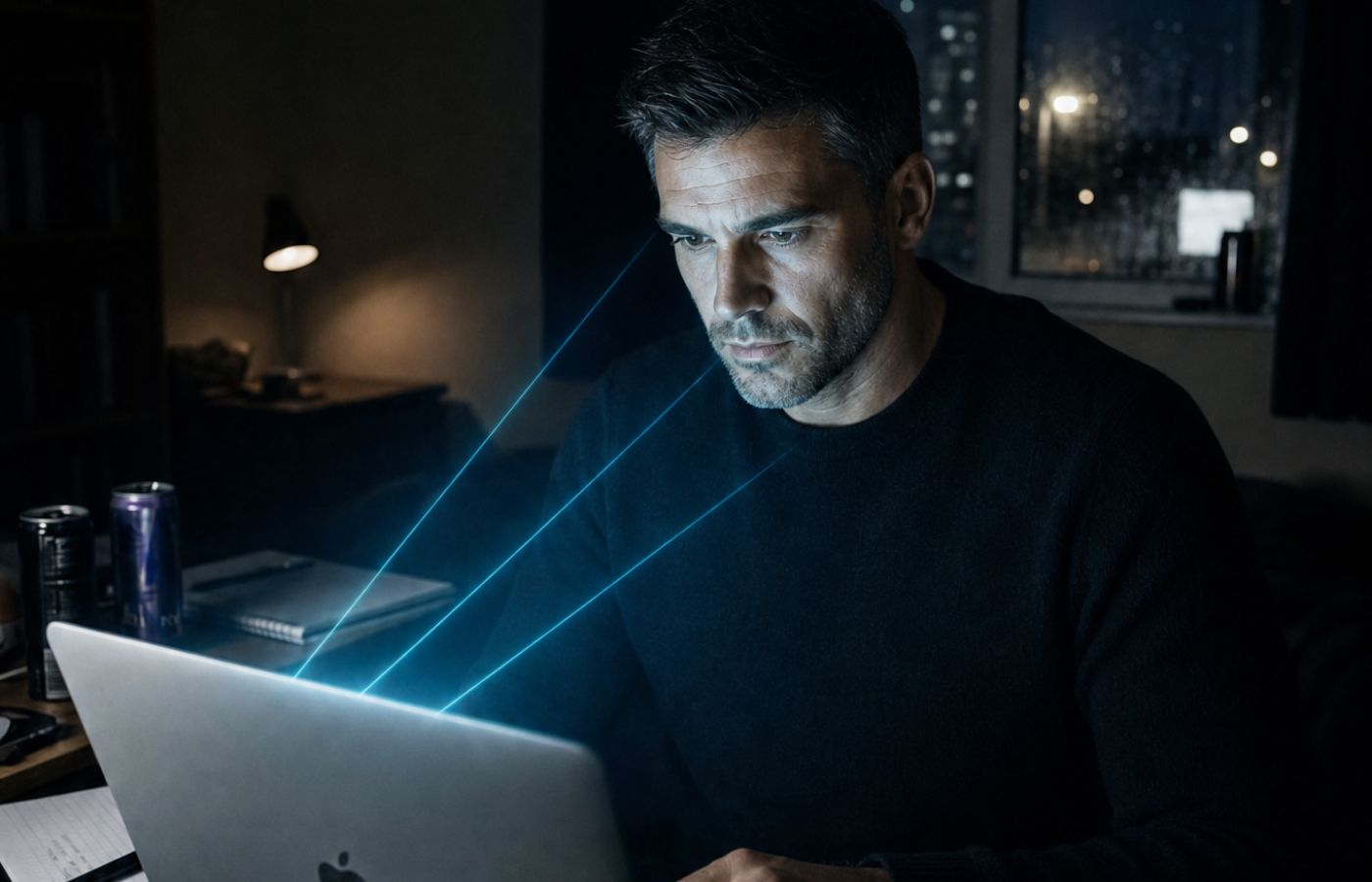
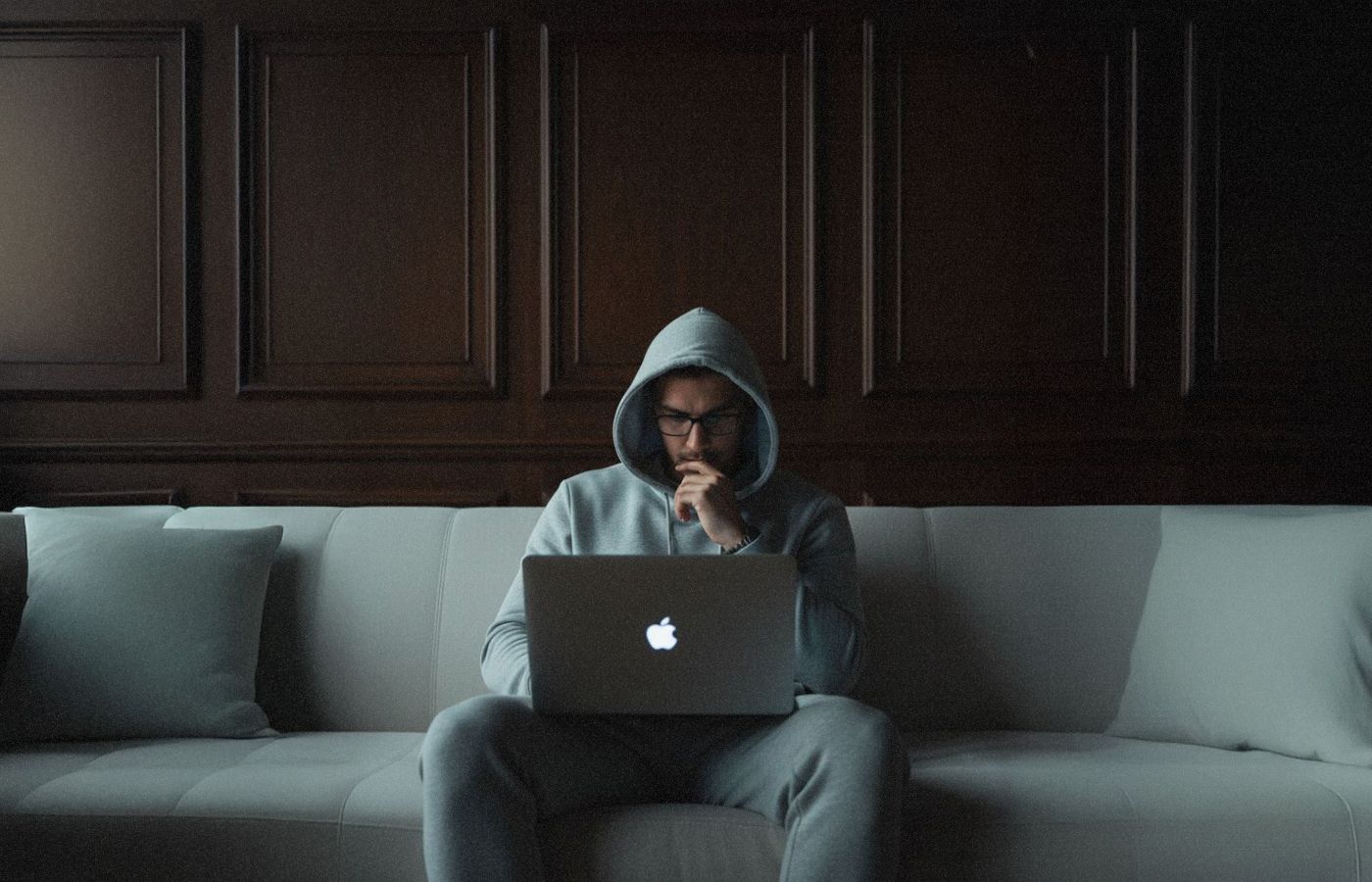
If you work hard, you’re probably on a screen all day. Laptop for work. Phone between tasks. More screens at night because you’re still catching up. And if you’ve ever looked in the mirror after a long week and thought, my skin looks tired and uneven, you’re not being dramatic.
Blue light from phones, laptops, and tablets is a constant exposure. It’s not UV, but it can still push the skin in the wrong direction—especially when it’s layered on top of stress, poor sleep, and long indoor days.
This is what blue light can do to skin when screen time is heavy.
It drives oxidative stress (the “aging accelerator” effect)
Blue light is part of the visible light spectrum. When it hits the skin, it can contribute to oxidative stress—basically a buildup of free radicals that chip away at how smooth, even, and resilient your skin looks.
Oxidative stress is tied to:
- dullness
- rougher texture
- a more “tired” look
- fine lines looking more noticeable (especially when skin is dehydrated)
If you’re on screens for hours every day, you’re not just dealing with light exposure—you’re dealing with a daily, repetitive input that can keep your skin in a low-grade “wear and tear” cycle.
It can worsen visible uneven tone (especially if you’re pigment-prone)
One of the most frustrating forms of “damage” people notice isn’t a burn—it’s uneven tone that slowly gets harder to ignore.
Blue light exposure is discussed in relation to pigmentation because it may stimulate pathways that contribute to:
- dark spots looking darker
- post-breakout marks lingering longer
- uneven patches that feel harder to fade
If you’re already prone to hyperpigmentation, heavy screen time can become one more factor that keeps tone from looking clear and even.
It can amplify inflammation (and inflammation shows up on your face)
Inflammation doesn’t always look like a rash. Sometimes it looks like:
- redness that comes and goes
- sensitivity
- skin that suddenly “doesn’t tolerate” products you used to use
- breakouts that feel more reactive than oily
Blue light exposure can contribute to inflammatory stress in the skin. And when you’re already running on deadlines, caffeine, and not enough sleep, your skin is more likely to show it.
This is where the damage feels personal: you’re doing the work, pushing through, staying on devices—and your skin starts looking like it’s taking the hit.
It can make your skin look more fatigued over time
Even when the damage is subtle, the pattern is familiar:
- you look less bright
- your skin looks flatter
- your under-eye area looks more shadowed
- your face looks “older” at the end of the day than it should
That’s not always one single cause. But heavy screen exposure can contribute to the overall fatigue signal—especially when it’s paired with stress and disrupted sleep.
If you’re asking, what does blue light do for skin, the damage people care about most comes down to three things:
- oxidative stress (aging signals)
- inflammation (reactivity + texture)
- uneven tone (dark spots and lingering marks)
And if you’re on a laptop and phone all day because you’re building something, working hard, or just trying to keep up—this is one of those invisible exposures that can quietly add up.